
Eating can feel different after dental implant surgery, especially while the mouth adjusts during early recovery. Choosing softer meals supports the healing process, keeps your gum tissue comfortable, and helps you avoid irritation near the surgical site. You may find that warm, smooth textures feel easier to manage while your bite and chewing patterns adapt. This guide offers ideas that balance variety and practicality while protecting the area around your dental implants.
Why Softer Meals Support Healing After Dental Implant Surgery
How Texture Affects Early Recovery
Soft textures reduce chewing pressure around the surgery site, giving tissues time to settle as new cells form. Gentle foods also protect the blood clot that develops after dental surgery, which is vital for healthy recovery. Small adjustments in consistency, such as blending or mashing, can limit friction where the implant meets bone and surrounding tissue. Early care like this helps the mouth stabilise before solid foods return to your diet.
Why Temperature Matters for Gum Comfort
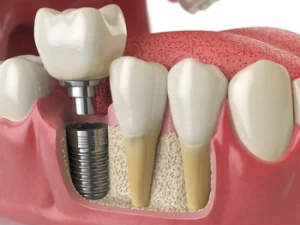 Temperature sensitivity can appear after implant placement. Warm rather than hot foods protect the gums and underlying bone from irritation, while chilled options soothe swelling. Avoid consuming extremely hot or cold dishes, as they may disturb early healing. Keeping a balanced temperature range helps maintain a calm environment for the healing phase and supports gentle blood flow near the implant.
The Role of Nutrition During the Healing Phase
A balanced soft food diet should still offer the nutrients your body needs to recover. Nutritious foods with protein, vitamins, and minerals contribute to tissue repair. Ingredients like vitamin C support gum resilience, while steady protein intake helps strengthen bone structure around the implant. A smooth, nutrient-rich plan can make the healing process more comfortable and productive.
50 Soft Foods to Eat After Dental Implant Surgery
Gentle dishes allow you to eat comfortably without straining the implant area. The list below provides practical, flavourful options for each mealtime while helping you maintain good oral balance during recovery.
Morning Meals That Keep Chewing Effort Low
- Scrambled eggs: Light and fluffy for easy chewing
- Cottage cheese: Soft, mild, and cooling
- Mashed potatoes: Smooth and warm comfort food
- Soft bread dipped in broth: Moist and easy to manage
- Banana mash: Gentle sweetness without effort
- Warm cereal: Soothing texture and easy digestion
- Liquid diet shakes: Convenient when chewing feels sensitive
- Protein powder mixed with milk: Builds strength during recovery
- Oat blends: Smooth consistency for slower mornings
- Meal replacement drinks: Helpful if you need extra energy
Lunch and Dinner Options That Stay Gentle on the Implant Area
- Shredded chicken in broth: Protein-rich and soft to chew
- Refried beans: Creamy and full-bodied
- Steamed vegetables: Tender and light on the jaw
- Baked beans: Smooth with mild flavour
- Sweet potatoes: Naturally soft and nourishing
- Soft pasta with tomato sauce: Gentle texture with subtle taste
- Soups blended with vegetables: Calm and warming
- Polenta: Soft consistency that pairs easily with purees
- Other soft foods like lentils: Plant-based and satisfying
- Steamed pumpkin: Mild and easy to mash
Snacks and Treats That Keep You Satisfied
- Soft scones: Gentle and airy texture
- Smooth nut spreads: Spread thin to avoid pressure
- Soft cheese wedges: Creamy and mild
- Rice pudding: Light and cooling option
- Avocado mash: Rich and smooth texture
- Soft peaches peeled: Juicy without firmness
- Mango puree: Soft and refreshing
- Fruit mousse: Light and easy to swallow
- Soft beans mixed: Gentle for a quick snack
- Coconut yoghurt: Soft and dairy-free alternative
Drinks and Soups That Keep Energy Levels Steady
- Cream soups: Soothing and hydrating
- Smooth custard: Warm or cool for comfort
- Ice cream without crunchy foods: Chilled for calm recovery
- Soft pudding: Melts easily in the mouth
- Berry smoothies: Nutrient-packed and quick to drink
- Whipped blends: Very light on texture
- Soft cream pies without crust: Simple sweetness
- Soft tofu soup: Gentle and balanced
- Other soft foods like chia bowls: Mild and moist
- Mousse-based desserts: Airy texture with low effort
- Orange juice diluted: Avoid concentrated acidic juices or other acidic juices early on
- Warm herbal tea: Calming alternative to hot beverages
- Milk shake: A cooling way to stay nourished
- Soft vegetable broth: Smooth and restorative
- Smooth apple puree: Mild for evenings
- Soft fruit blends: Sweet but easy on the mouth
- Sour cream stirred into soups: Adds smoothness
- Soft puddings with banana: Soothing and filling
- Soft tofu stir-in blends: Add to soups for extra protein
- Sweetened oat milk: Gentle energy boost
Eating Habits That Help Protect the Surgical Site
Simple Changes That Make Mealtimes Safer
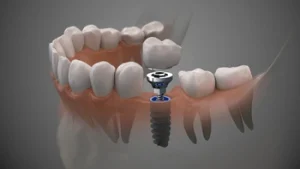 Eating smaller bites helps protect the surgery site and limits strain on healing tissues. Using a spoon rather than a fork helps guide food gently, and letting dishes cool prevents irritation from hot foods. These small changes make eating more manageable in the first week.
Foods and Behaviours to Avoid in the First Week
Some habits can interfere with early recovery and disturb the gum area around the implant. Avoid biting into firm or crunchy foods, as they may shift healing tissues. Skip spicy and acidic foods as they may irritate soft tissue. Steer clear of raw vegetables, chewy foods, cracked pepper, and tomato sauce, which can disturb sensitive areas and affect oral health.
How to Transition Back to Regular Foods Gradually
When you begin to eat after dental surgery, reintroduce solids slowly. Start with other soft foods before adding texture. Avoid forceful chewing that could stress the area or dislodge blood clots near your implant surgery site. Gradually incorporate firmer textures as comfort returns, usually after at least a week, depending on your progress.
Stay Comfortable While Supporting Ongoing Healing
Recognising When Your Implant Site Needs Extra Care
If swelling increases, food collects near the surgical site, or tenderness rises, these may indicate the need for review. Avoid hot beverages, stick to a soft food diet, and keep hydration consistent. These adjustments support a calm environment while helping you promote healing.
When to Seek a Quick Review From Your Dentist
If discomfort, bleeding, or movement around the implant continues, schedule a check-up promptly. A quick visit can reveal if small adjustments are needed to protect the implant area. Regular care keeps the gum tissue, surrounding bone, and adjacent teeth in harmony as healing continues.
Move Forward Comfortably With Expert Guidance
 Choosing gentle meals helps you eat after dental procedures without strain and keeps tissues calm during the early healing phase. Balanced foods and mindful habits allow steady recovery without irritation or delay. If you have questions about foods to eat or experience sensitivity while healing, speaking with our dentist is a helpful next step.
Call D’vine Smiles today to schedule your appointment:
- Greensborough: 03 4828 7427
- South Yarra: 03 4828 7428
Note: Any surgical or invasive procedure carries risks. Before proceeding, you should seek a second opinion from an appropriately qualified health practitioner.
References
https://www.colgate.com/en-us/oral-health/implants/dental-implant-surgery
https://health.clevelandclinic.org/soft-food-diet
