
Many people hesitate when they hear they need a tooth filling. One question that often comes up is: Do dental fillings hurt? It is a natural concern, especially if you have never had a dental filling procedure before or feel uneasy about going to the dentist.
Understanding what actually happens can make the experience feel more manageable. Dental fillings are a common treatment that restores areas affected by tooth decay and supports long-term oral health.
This guide explains what you may feel at each stage, why discomfort can happen, and how it is usually managed.
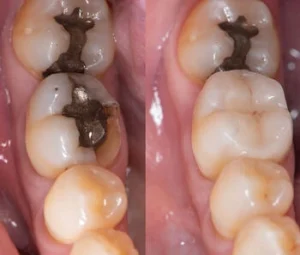 Why Dental Fillings Are Needed
Dental fillings are used to treat a cavity, which develops when tooth decay damages part of the tooth structure. If left untreated, this damage can spread deeper into the tooth.
Treating cavities early helps prevent further decay and avoids more complex dental treatment later. If decay continues, it may lead to tooth loss or the need for procedures such as root canal therapy.
A tooth filling helps restore the affected tooth and allows it to function normally again.
Do Dental Fillings Hurt During The Procedure?
Understanding the process can help reduce uncertainty about the experience.
How Pain Is Managed In The Dental Chair
For most patients, the answer to “do dental fillings hurt?” is that discomfort is usually limited during the procedure. A dentist uses a local anaesthetic to numb the area around the affected tooth.
Once the area is numb, the dentist clears away the decayed part of the tooth and prepares it for the filling. Because of the anaesthetic, you may feel pressure or movement, but you should not feel intense discomfort.
This approach is designed to minimise discomfort and keep the experience as comfortable as possible while you are in the dental chair.
What You May Notice
Even though intense discomfort is not expected, you may still notice:
- A feeling of vibration during the filling procedure
- Pressure as the dentist removes decay
- Sounds from dental tools
These sensations are normal and do not mean the dental filling hurts.
What Happens During A Dental Filling Procedure
The dental filling procedure follows a clear and structured process.
Step-By-Step Overview
- The dentist examines the tooth and confirms the presence of a cavity.
- A local anaesthetic is applied to numb the area.
- The dentist removes decayed tissue from the tooth.
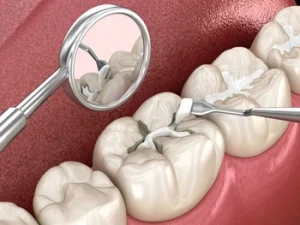
- The cleaned space is filled with a suitable dental material.
- The filling is shaped and adjusted so the bite feels natural.
The choice of filling materials may vary. One commonly used option is composite resin, which blends with the natural tooth.
What You May Feel After Getting A Filling
After getting a filling, it is normal to notice some mild discomfort once the numbness wears off.
Common Sensations
You may experience:
- Tooth sensitivity to hot or cold
- Slight discomfort when biting
- A feeling that the bite feels slightly uneven
These pain signals are usually temporary. A filled tooth may feel sensitive to cold foods or drinks, especially in the first few days.
Why Sensitivity Happens
Tooth sensitivity can occur because the inner part of the tooth is adjusting. This is more noticeable in people with sensitive teeth or in deeper cavities.
In most cases, the tooth adjusts, and symptoms settle over time.
When A Dental Filling May Hurt More Than Expected
While most patients have a smooth experience, there are situations where a filling may hurt more than expected.
Deep Fillings And Nerve Response
Deep fillings are placed closer to the inner part of the tooth. Because of this, the tooth may experience increased sensitivity or discomfort for a longer period.
You may notice pain when eating or drinking something hot or cold. This does not always indicate a problem, but it may take longer to settle.
Bite Issues
Sometimes, the filling may sit slightly higher than the surrounding teeth. When this happens, pressure on the filled tooth can cause discomfort.
If your bite feels uneven, a small adjustment can usually resolve the issue.
When Pain Persists
If pain persists or becomes ongoing pain rather than improving, it is important to have the tooth checked. In some cases, additional treatment may be needed.
Types Of Filling Materials And Their Effect
Different filling materials can influence how the tooth feels after treatment.
Common Options
- Composite resin
- Other dental material options chosen based on the situation
Some materials may respond more to temperature changes, which can briefly increase tooth sensitivity.
Over time, the tooth usually adapts, and the sensitivity reduces.
How To Reduce Discomfort After A Filling
There are practical ways to reduce discomfort after a tooth filling.
 Helpful Steps
- Avoid very hot or cold foods for the first few days.
- Stay away from hard or sticky foods while the tooth settles.
- Maintain good oral hygiene while avoiding pressure on the area.
- Use recommended pain relief if needed.
Avoiding hard or sticky foods can help protect the filling and limit discomfort while the tooth heals.
Supporting Recovery
Keeping the area clean supports healing and helps reduce the risk of further damage. Good oral hygiene also lowers the chance of developing another cavity.
How Long Tooth Sensitivity Should Last After A Filling
It is normal to notice some level of tooth sensitivity after getting a filling, but many patients are unsure how long it should last. Understanding the usual timeline can help you decide whether what you are feeling is part of the healing process or something that needs to be checked.
The First Few Days
In the first 24 to 72 hours, mild sensitivity is common. The tooth may react more noticeably to hot or cold drinks, or when pressure is applied while eating. This happens because the tooth has been adjusted during the filling procedure, and the inner structures are responding to those changes.
For most patients, this early stage is where discomfort is most noticeable, but it often begins to settle quickly.
The First One To Two Weeks
Over the next one to two weeks, sensitivity should gradually reduce. You may still notice occasional discomfort, especially with cold foods or when biting down, but the intensity should continue to improve.
This period reflects how the tooth adjusts to the new filling. The surrounding tissues and nerves inside the tooth are adapting to the changes in pressure and structure.
When Sensitivity Lasts Longer
In some cases, sensitivity may last longer than expected. This is more common with deep fillings, where the treated area is closer to the inner part of the tooth. Because of this, the tooth may take more time to settle.
If sensitivity continues beyond a few weeks, but is slowly improving, it may still be part of the normal adjustment process. However, it is important to monitor whether the symptoms are getting better or staying the same.
When To Pay Closer Attention
There are certain signs that may suggest the sensitivity is not following the usual pattern:
- Discomfort that becomes stronger instead of improving
- Pain that occurs without any clear trigger
- Sensitivity that does not change after several weeks
These changes may indicate that the tooth needs further review. In some situations, additional treatment may be required to address the cause.
What This Timeline Means For You
Most patients experience only short-term sensitivity that improves within days or weeks. Knowing this general timeline can make it easier to understand what your tooth is going through and when it is reasonable to expect improvement.
If you are unsure whether your symptoms are part of normal recovery, checking in with a dentist can help clarify what is happening and ensure the tooth is settling as expected.
Can You Avoid Pain From Dental Fillings?
While it may not be possible to completely avoid all discomfort, most pain can be managed effectively.
The Importance Of Early Treatment
Treating cavities early reduces the need for deep fillings and lowers the chance of discomfort. Smaller areas of decay are easier to treat and often result in less sensitivity.
Preventing Future Problems
Maintaining good oral health helps reduce the risk of cavities. Regular care reduces the likelihood of needing dental fillings in the future.
Final Thoughts On Dental Fillings And Pain
 So, do dental fillings hurt? For most patients, the procedure itself does not cause intense discomfort because the area is numbed with a local anaesthetic. Some mild discomfort afterwards is normal as the tooth adjusts.
Understanding what to expect can help you feel more prepared when getting a filling. Dental fillings are a common and effective way to treat decay, protect the tooth, and limit further damage.
If you continue to experience pain or discomfort, it is best to speak with a dentist to find relief and ensure everything is healing as expected.
If you are concerned about tooth pain or would like support with restoring a damaged tooth, you can book a consultation with us at D’vine Smiles or contact our locations.
- Greensborough: 03 4828 7427
- South Yarra: 03 4828 7428
Resources
“Healthdirect Australia (2025). ‘Root Canal Treatment’. Healthdirect Australia, February. Australia: Healthdirect Australia. https://www.healthdirect.gov.au/root-canal-treatment”
“Colgate (2023). ‘What Is Good Oral Hygiene?’. Colgate, 9 January. New York, NY: Colgate-Palmolive Company. https://www.colgate.com/en-us/oral-health/adult-oral-care/what-is-good-oral-hygiene”
“Cleveland Clinic (2025). ‘Sensitive Teeth’. Cleveland Clinic, 3 July. Cleveland, OH: Cleveland Clinic. https://my.clevelandclinic.org/health/symptoms/10954-teeth-sensitivity”