
If you have veneers and start noticing colour differences, it is natural to wonder whether whitening could help. Many reach this point after whitening their natural teeth or seeing stains develop over time. The question “Can you whiten composite veneers?” often comes up when expectations meet material limits. Understanding how veneers respond to whitening helps you make sense of what can change, what cannot, and where maintenance truly matters.
Why Whitening Works Differently on Veneers and Teeth
Veneers and natural teeth respond to colour change in very different ways, which explains why results can feel uneven once whitening enters the picture.
Enamel Allows Colour Change
Your natural teeth are covered by natural tooth enamel, a porous surface that allows whitening agents to pass through and lift internal colour. This is why teeth whitening works predictably on natural enamel. When whitening products interact with natural teeth, colour change happens from within, not just on the surface.
 Veneer Surfaces Hold Their Shade
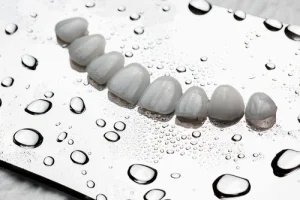
Dental veneers sit on top of teeth and do not share the same structure as enamel. Once placed, the veneer surface keeps the shade it was made with. Whitening products do not penetrate veneers in the same way, which is why attempts to whiten veneers do not change their underlying colour.
Composite Resin Responds Differently Over Time
Composite veneers are made from composite resin, a material designed to blend with surrounding teeth. Over time, this composite material can absorb pigments from everyday exposure. That absorption affects surface tone but does not respond to whitening treatment the way enamel does.
Porcelain Structure Resists Absorption
Porcelain veneers are more stain-resistant than resin veneers due to their dense structure. Porcelain or composite materials behave differently, and porcelain resists pigment penetration more effectively. While porcelain veneers can still pick up surface residue, they do not absorb colour into the material itself.
Where Whitening Agents Stop Working
Whitening agents act on natural enamel and stop once they reach restorative surfaces. This boundary explains why veneers and natural teeth may respond differently during professional teeth whitening treatments. Whitening products cannot alter the internal shade of veneers, even when used carefully.
What Whitening Can and Cannot Change Once Veneers Are in Place
Once veneers are part of your smile, whitening expectations need to shift from colour change to colour management.
Internal Colour Remains Fixed
Whether you have porcelain veneers or composite veneers, veneers cannot be whitened internally after placement. The shade chosen during fabrication remains fixed. Professional whitening treatments work on enamel, not on dental veneers, which is why internal colour stays the same.
Surface Stains Sit on the Veneer Surface
Surface stains can develop on veneers from everyday exposure. These stains sit on the veneer surface and may respond to professional cleanings. While you can remove surface stains, this does not change the base colour of stained veneers.
Why Uneven Colouring Becomes Noticeable
When natural teeth lighten through professional teeth whitening, veneers remain unchanged. This difference creates uneven colouring between veneers and surrounding enamel. The contrast often becomes noticeable only after whitening is complete, once tones are compared side by side.
Ways to Manage Staining and Colour When You Have Veneers
Long-term colour consistency depends less on whitening and more on daily care and planning.
Daily Cleaning Choices Matter
Good oral hygiene plays a central role in keeping your veneers looking consistent. Brushing gently helps limit residue on the veneer surface and supports oral health overall. Maintaining clean margins also helps veneers blend more naturally with surrounding teeth. Morning and evening routines matter more than intensity. Small lapses tend to show up gradually, especially around the edges where veneers meet natural teeth.
Toothpaste Selection Affects Veneer Wear
A whitening toothpaste may sound appealing, but many formulas contain abrasives. Choosing a non-abrasive toothpaste protects the veneer surface from wear. A fluoride toothpaste supports dental health without dulling restorations.
Over time, surface wear can make stains easier to notice. Reading labels and sticking with gentle formulations helps maintain a smooth finish.
Professional Cleanings Support Consistency
Professional cleanings remove build-up that brushing cannot reach. These visits help manage surface stains and support gum health around veneers. Regular care helps preserve the colour you started with. Cleaning around veneers requires attention to detail. That added precision helps prevent uneven colour along the margins.
Food and Drink Habits Influence Staining
Staining foods and drinks can gradually affect the veneer tone. Red wine, for example, can leave residue along edges and contact points. Limiting staining foods reduces the chance of visible discolouration over time.
Rinsing with water after darker drinks helps reduce contact time. These small habits can slow the build-up that leads to noticeable colour change.
Smoking Residue Changes Veneer Colour
Tobacco products leave residue that clings to veneers and natural teeth alike. Over time, this residue contributes to visible darkening. Quitting smoking supports both colour stability and oral health. Discolouration linked to smoking often starts near the gum line. Addressing habits early makes long-term maintenance easier.
When Replacement Enters the Conversation
In some cases, veneers stain beyond what cleaning can manage. When colour mismatch affects confidence, veneers replaced with new veneers may be discussed. This option is considered when existing restorations no longer align with surrounding teeth.
 Planning Whitening Before New Veneers
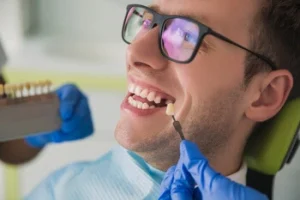
If whitening is part of your plan, timing matters. Whitening natural teeth before dental bonding or veneer placement allows for better shade matching. This approach helps keep your veneers consistent with your teeth over the long term and supports a balanced outcome.
Bringing Clarity to Veneer Whitening Decisions
Veneers respond to whitening very differently from natural enamel, which explains why results can feel uneven. Focusing on maintenance, professional care, and informed planning helps protect colour consistency and dental health over time. When questions arise, a tailored discussion supports clear decisions without unnecessary changes. If you would like to talk through your options or book a review, please call us:
- Greensborough: 03 4828 7427
- South Yarra: 03 4828 7428
References
https://www.colgate.com/en-in/oral-health/veneers/can-you-whiten-veneers
https://www.webmd.com/oral-health/veneers