
Many people considering orthodontic treatment often ask one question first: “Invisalign vs braces, which is faster?” It’s an understandable concern since treatment time can affect daily comfort, confidence, and lifestyle choices. While both Invisalign and braces can straighten teeth effectively, several factors determine how long each takes to deliver results. The speed of movement depends not only on the appliance but also on the complexity of your case, your habits, and how closely you follow your dentist’s advice. By understanding these factors, you can make an informed decision that matches both your schedule and your smile goals.
4 Key Factors that Determine How Fast Invisalign and Braces Work
How quickly teeth move depends on the body’s biology and the mechanics of orthodontic design. These influences differ for every individual, meaning no two treatment timelines are identical. Recognising what contributes to speed helps patients form practical expectations and stay motivated throughout their journey.
1. The Role of Dental Complexity in Treatment Time
 The degree of misalignment or dental issues greatly affects the duration. Mild to moderate crowding can often be treated faster with simpler alignments, while complex cases involving bite problems or severe issues may need longer correction. Each tooth movement takes time to stabilise in its new position, so treatment length always varies depending on the starting condition.
2. How Tooth Movement Rate Influences Results
Teeth move through a biological process that gradually shifts them into their desired position. The rate of this movement depends on factors such as bone density and gum health. When the teeth respond predictably to the applied pressure, results appear faster and the treatment plan remains steady.
3. Impact of Age and Bone Density on Treatment Duration
Younger patients often experience faster progress because their bone structures are more responsive. Adults, however, can still achieve excellent outcomes, though it may take slightly longer for the same level of correction. The stability achieved in adult treatment contributes to a long-term straight smile that remains strong.
4. Why Treatment Planning Accuracy Matters for Timing
An accurate treatment plan influences how efficiently movement occurs. When your dentist uses detailed imaging to map each step, fewer adjustments are needed later. This precision allows consistent progress and helps both Invisalign and braces reach the finish treatment stage as smoothly as possible.
Comparing Invisalign and Braces in Terms of Speed
Comparing Invisalign and braces means looking beyond the appliance itself to how they interact with your teeth. Both rely on consistent force, but their designs deliver that pressure in different ways. Knowing these key differences clarifies why one might be faster in specific cases and slower in others.
How Invisalign Aligners Gradually Shift Teeth
Invisalign aligners are custom-made trays that gradually shift teeth using controlled pressure. Because patients wear them most of the day, tooth movement happens in small, predictable steps. The virtually invisible trays appeal to those wanting discreet treatment, but progress depends heavily on consistent use.
Why Traditional Metal Braces Can Handle Complex Movements Faster
Traditional braces use metal brackets and metal wires that can target multiple teeth simultaneously. This makes them effective for complex bite problems or severely misaligned arches. Unlike aligners, braces can move teeth in all directions at once, making them quicker for extensive corrections.
Treatment Time Differences for Mild vs Severe Orthodontic Issues
 For mild to moderate alignment concerns, Invisalign treatment typically ranges between 12 and 18 months, as aligners guide teeth into position through small, controlled movements. Those who wear their trays as instructed often complete treatment sooner, especially when adjustments are minimal.
In contrast, traditional metal braces or ceramic braces may take 18 to 24 months to achieve the same level of precision. Complex cases, such as significant crowding or bite discrepancies, require slower, more detailed corrections that involve multiple adjustments. Because every smile responds differently, the total duration relies on the complexity of your orthodontic issues and how your teeth adapt throughout treatment.
When Invisalign May Be Faster Than Braces
Is Invisalign faster than braces? It can be when treatment focuses on alignment rather than significant bite correction. Customised aligners work efficiently on specific movements and may complete within a shorter timeframe if worn correctly. Fewer adjustments also mean fewer visits, allowing steady progress without frequent appointments.
Situations Where Braces Deliver Quicker Corrections
Unlike traditional braces alternatives, fixed braces can exert continuous pressure without relying on patient compliance. For severe crowding or vertical adjustments, braces tend to move teeth faster. Their durability allows the dentist to make precise wire changes that guide teeth into the correct position with consistent control.
These Four Lifestyle and Compliance Factors Can Influence Treatment Speed
Speed also depends on how well patients follow instructions and adapt to daily habits. Lifestyle choices, oral hygiene, and regular visits all influence how soon treatment is completed. The more consistent the routine, the more predictable the results become.
1. Why Patient Compliance Can Shorten or Extend Treatment
Patient compliance is one of the biggest factors in orthodontic treatment success. Those using Invisalign must wear their aligners at least 22 hours per day to stay on track. Removing them too often interrupts tooth movement and can delay completion.
2. Fewer Visits and Adjustments with Invisalign Aligners
Unlike braces, Invisalign aligners require fewer visits to the dental clinic. The trays are pre-programmed for progression, so check-ins happen every few weeks rather than monthly. This system offers flexibility while maintaining the rhythm of correction through predictable intervals.
3. How Diet and Oral Hygiene Affect Treatment Continuity
Food choices and oral hygiene habits can influence treatment pace. Sticky foods and poor flossing routines risk damaging metal braces or trapping debris. Invisalign users can eat freely once trays are removed, but skipping proper cleaning before reinsertion can cause irritation or delay tooth movement.
Simple steps that help maintain treatment progress:
- Brush after every meal and floss daily to support gum and tooth health.
- Avoid sticky foods that can loosen brackets or damage wires.
- Attend all scheduled appointments, even if progress seems steady.
- Store aligners safely when removed to prevent misplacement or damage.
4. The Link Between Missed Appointments and Delayed Results
Regular visits allow your dentist to make timely adjustments or replace aligners as planned. Skipping appointments may slow movement and extend total treatment time. Consistent monitoring keeps tooth movement aligned with your original schedule.
Choosing the Right Option for Your Orthodontic Goals: What to Consider
Selecting between Invisalign and braces requires weighing comfort, speed, and individual dental needs. The right decision depends on your dental issues, lifestyle, and commitment to maintaining results. Discussing your case with a professional helps match expectations with achievable timelines.
 Factors to Discuss During Your Orthodontic Consultation
 Factors to Discuss During Your Orthodontic Consultation
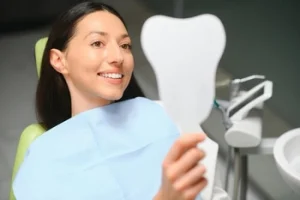
At your initial consultation, the dentist examines how your teeth need to move and assesses the complexity of your case. They also review your oral health to confirm suitability for orthodontic care. This evaluation helps create a treatment plan that aligns with your goals and expectations.
How a Customised Treatment Plan Leads to Predictable Outcomes
Your treatment plan outlines every stage of alignment, from the initial fitting to the retention phase. Each plan is designed to create efficient tooth movement while protecting gum and bone health. With digital planning, both Invisalign and braces can reach their desired position accurately and safely.
What to Expect When Finishing Treatment and Reviewing Results
As treatment concludes, your dentist will review alignment, bite, and overall comfort. Minor refinements may be made before retainers are fitted. This final review confirms that your teeth have reached the correct position and that your bite functions naturally.
Take the Next Step Towards a Straighter Smile
If you’re considering Invisalign or braces, timing is only one part of the decision. The most successful outcomes come from consistent care, realistic goals, and collaboration with your dental team. Each orthodontic treatment offers its own strengths, suited to different needs and lifestyles. To find out which treatment suits you and how long it may take to finish treatment, book your consultation today.
Call D’vine Smiles today to schedule your appointment:
- Greensborough: 03 4828 7427
- South Yarra: 03 4828 7428
Start planning your path to a new smile that supports both comfort and oral health.
References
https://www.forbes.com/health/dental/what-is-invisalign/
https://pmc.ncbi.nlm.nih.gov/articles/PMC6160377/
