
If you have noticed gaps changing how your mouth feels, it is natural to pause and question what options actually fit your situation. You may be juggling comfort, appearance, and practicality all at once while trying to avoid unnecessary changes. Questions often start simply, such as what a partial denture is, but quickly branch into how it would sit, feel, and fit into daily life. When teeth are missing, even small spaces can influence eating, speaking, and how your bite settles. This post explains what a partial denture is, how it works with your existing teeth, the different designs available, what the process involves, how to care for it, what affects cost, and what long-term use can look like.
What Does a Partial Denture Actually Replace in Your Mouth?
When you lose one or more teeth, the space left behind can affect how your mouth feels and functions in ways that are not always obvious at first.
A partial denture is designed to sit alongside your existing teeth, filling the gaps left by lost teeth rather than replacing an entire arch. It holds artificial teeth in the spaces where missing teeth once sat, helping reconnect areas that no longer meet naturally. This approach focuses on replacing missing teeth while keeping as much of your natural structure involved as possible.
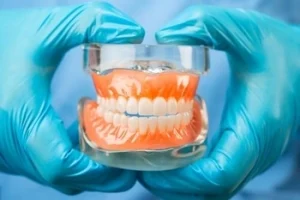 If you have one or more teeth missing, those open spaces can allow nearby teeth to drift or tilt over time. Gaps left untreated may also change how pressure spreads when you bite, even if the loss feels minor at first. Partial dentures are shaped to fit around remaining teeth so the replacement feels considered rather than added on.
Tooth loss does not always happen all at once. Sometimes it follows extractions, sometimes damage, and sometimes gradual wear. When lost teeth leave uneven contact points, everyday tasks like chewing can start to feel unbalanced. Partial dentures aim to occupy those spaces in a way that supports the rest of your teeth without asking them to compensate more than they should.
By replacing one or more teeth instead of the full set, a partial denture works with what is still present, not against it.
Which Type of Partial Denture Fits Your Teeth and Daily Routine?
The right option often depends on how your teeth are positioned, how you use your mouth day to day, and what feels manageable for you long term.
Metal Frameworks Designed for Long-Term Stability
Some types of partial dentures rely on a structured metal framework that rests carefully against your remaining teeth. These are often referred to as metal dentures, and they are commonly chosen when strength and predictability matter. The framework provides a stable base that supports the denture as you bite and chew, especially when several teeth are involved. Small metal clasps may be used to anchor the denture to nearby teeth, helping it stay in place during everyday use. Because of their design, these dentures can feel slimmer in the mouth compared with bulkier options. Many find they adapt well once the fit settles and the mouth becomes familiar with the shape.
Acrylic Options Allowing Flexible Treatment Planning
Another approach uses acrylic resin as the main material, which allows more flexibility during planning. These designs are often part of removable partial dentures, meaning you can take them out for cleaning or rest. Acrylic options may be suggested when changes are expected over time, such as further tooth movement or future dental work. In some designs, acrylic clasps replace metal components, creating a more uniform look around your teeth. While acrylic dentures can feel thicker at first, they are easier to modify if your mouth changes. This flexibility can be helpful when planning treatment that may evolve gradually.
Flexible Dentures Shaped for Comfort Around Natural Teeth
Some prefer flexible partial dentures, made from a softer material that adapts more easily to the mouth. These dentures bend slightly as you place them, allowing them to adapt closely around your natural teeth. Without rigid metal parts, they can feel gentler along the gums for some wearers. Flexible designs often appeal to those who find firmer materials uncomfortable early on. Because of their adaptability, they can blend smoothly around curved areas of the mouth. The softer feel may suit certain daily routines, especially where comfort is a priority.
Design Decisions Guided by Remaining Tooth Support
Not every situation suits the same design. The position and health of your remaining teeth play a large role in shaping what works well. Some mouths can support a fixed partial denture, while others benefit more from removable options. In cases where teeth are missing in a straight line, a fixed bridge supported by dental crowns may be discussed instead of a removable denture. These bridges rely on strong neighbouring teeth to hold them in place. When fewer teeth are present, or when spacing is uneven, removable designs often offer more flexibility. Understanding how much support your teeth can provide helps guide the choice.
When Full Replacement Becomes Part of the Conversation
Partial options are not always the final step for everyone. In some cases, full dentures may be discussed if tooth loss progresses across the arch. The goal at each stage is to match the denture to what your mouth can realistically support. Choosing between partial and full designs depends on how many teeth remain and how they function together. A dentist looks at the balance across your bite rather than focusing on one area alone. This broader view helps avoid unnecessary strain on the teeth that remain.
Each type comes with its own feel, maintenance needs, and long-term considerations. Talking through how you eat, speak, and care for your mouth helps narrow the options to one that fits your routine rather than forcing you to adapt to the denture.
What Takes Place During the Partial Denture Process From Start to Fit?
Knowing what happens at each stage can make the process feel clearer and easier to follow, especially if this is your first time considering this kind of dental treatment.
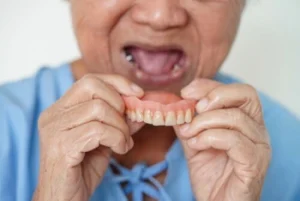 Discuss Bite and Spacing During Initial Consultations
Your first visits focus on how your bite comes together and how your existing teeth interact when you chew or speak. The dentist looks closely at spacing, pressure points, and how your mouth moves during everyday use. Attention is given to your remaining teeth so they are not asked to carry an extra load later. This stage sets the direction for everything that follows. Clear discussion early on helps align expectations with what your mouth can comfortably support.
Record Mouth Details for Accurate Construction
Once planning is agreed, detailed records are taken to guide the next steps. These records capture the shape of your upper or lower jaw and how it meets its opposite side. This information helps the laboratory understand how your natural teeth sit in relation to each other. Careful recording supports balance across the upper and lower arches. Precision here matters because small differences can affect comfort later.
Refine Fit During Try-In Appointments
Before anything is finalised, you will usually attend one or more try-in visits. These appointments allow adjustments before the denture is completed. Fit, alignment, and spacing around other teeth are checked while you speak and close your mouth naturally. You may be asked how the denture feels during simple movements. These refinements help reduce surprises once you receive new dentures.
Check Comfort and Function at Final Placement
At the fitting appointment, the finished denture is placed and assessed in real conditions. Attention is paid to how it sits against your gums and how it contacts surrounding teeth. The dentist checks for pressure spots and areas that may rub during use. Small adjustments are common at this stage. The goal is a fit that feels stable without forcing your mouth to adapt unnaturally.
Review Fit Changes During Follow-Up Visits
Your mouth continues to settle after placement, which is why follow-up visits matter. These reviews allow changes in fit to be addressed as your tissues adjust. Monitoring how the denture interacts with other teeth helps protect long-term comfort. This phase is part of making dentures work with your mouth rather than against it. Ongoing checks support a smoother transition into daily wear.
How Can a Partial Denture Improve Comfort, Function, and Daily Confidence?
When missing spaces start to interfere with daily habits, a partial denture can influence how your mouth works in practical, noticeable ways.
Support Chewing Across Missing Tooth Areas
When multiple teeth are absent, chewing pressure can concentrate on a few remaining contact points. A partial denture spreads that pressure more evenly, which can make chewing feel steadier across the mouth. This added support often helps you manage a wider range of textures without overworking one side. As replacement teeth fill those gaps, your bite gains more balance during meals. Over time, this can reduce the sense that certain areas are doing all the work. Many notice that eating feels less hesitant once that support is in place.
You may find that chewing no longer requires as much conscious adjustment from one side to the other. Meals can feel more predictable, especially when switching between softer and firmer foods. This steadiness often develops gradually rather than immediately. The change tends to feel practical rather than dramatic.
Improve Speech During Everyday Conversation
Gaps near the front teeth can change how air moves when you speak, which may affect certain sounds. A partial denture provides structure where sounds are formed, helping speech feel more predictable again. This can be especially noticeable during longer conversations or when speaking quickly. As your tongue adjusts to the new surfaces, clarity often improves without conscious effort. These changes tend to settle gradually as the mouth adapts.
You might notice small shifts in pronunciation during the early days. Those changes usually lessen as muscle memory adapts. Over time, speaking can feel less effortful, particularly in social settings. Comfort often comes from familiarity rather than active control.
Promote Balanced Bite Contact
When teeth are missing on one side, the lower jaw may close unevenly, placing extra strain on specific areas. A partial denture helps guide the bite into a more even position by supporting the lower teeth where contact was lost. This balance can reduce uneven loading across your teeth, especially during chewing. Some find this steadier contact helps limit discomfort linked to imbalance. While experiences vary, many patients notice their bite feels more settled once contact is restored.
A more even bite can also reduce the need to favour one side unconsciously. That shift often feels subtle rather than obvious. Over time, balanced contact can help your jaw feel less tense during use. The change usually develops as your mouth adapts to the new support.
How Can You Care for Your Partial Denture Day to Day?
Day-to-day care plays a quiet but important role in how comfortable your denture feels over time and how well it continues to work alongside your mouth.
Clean Your Dentures Daily
Daily cleaning supports both your denture and your overall oral hygiene. Removing surface buildup helps limit irritation along the gums and reduces the chance of bad breath developing. Use a routine that fits easily into your day, so it becomes second nature rather than a chore. Gentle cleaning also helps protect the finish of the denture. Consistency matters more than intensity.
Handle the Denture Carefully
Partial dentures are designed to be durable, but they still need thoughtful handling. Removing and placing the denture over a soft surface lowers the risk of accidental damage. Paying attention when inserting it helps avoid unnecessary pressure on the gum line. Careful handling supports long-term comfort rather than forcing adjustments later. Small habits can make a noticeable difference.
Remove the Denture Overnight
Taking the denture out at night gives the gum tissue time to rest. This pause allows natural circulation to return to the tissues after a full day of wear. Overnight removal can also help reduce soreness for some denture wearers. Your mouth benefits from having time without contact. This routine supports comfort over the long term.
Store the Denture Safely
When the denture is out of your mouth, storage matters. Keeping it in a suitable container helps prevent drying or distortion. Safe storage protects the shape so it continues to fit as intended. It also keeps the denture clean and away from damage. A simple routine here avoids avoidable issues later.
Attend Regular Review Visits
Regular check-ups allow subtle changes in your mouth to be noticed early. Shifts in the gums or surrounding structures can influence how the denture sits. Reviews help track changes linked to gum disease or wear before discomfort builds. Seeing your dentist periodically keeps care proactive rather than reactive. These visits focus on fit, comfort, and function.
Address Early Discomfort Promptly
Soreness, pressure spots, or changes in feel should not be ignored. Early discomfort can sometimes relate to dryness, including dry mouth, or changes in bite. Small adjustments are often simpler when addressed early. Prompt attention helps avoid larger issues from developing. Listening to your mouth is part of proper care.
Daily habits shape how well a partial denture continues to serve you, often more than people expect.
What Factors Influence the Cost of a Partial Denture?
Cost is shaped by several clinical and practical elements, rather than a single fixed figure, and understanding those influences helps you plan with fewer surprises.
Material Selection
Material choice plays a direct role in partial dentures cost because different designs require different levels of laboratory work. Some materials involve more steps during fabrication, which adds time and precision. Durability is considered alongside how the denture will be used day to day. The goal is to match materials to function rather than short-term convenience. These decisions are based on how your mouth moves and bites. Material selection is part of planning rather than an afterthought.
Number of Missing Teeth
The number of spaces being replaced affects how complex the design becomes. When tooth loss involves several areas, balance across the bite needs closer attention. Each additional space changes how pressure is shared during chewing. More planning is required to avoid uneven contact. This can increase both clinical time and laboratory involvement. Complexity tends to rise as the number of missing areas increases.
Condition of Remaining Teeth
The teeth still present influence how the denture is supported. Teeth that have shifted, worn down, or weakened may require additional preparation. Protecting oral health around these teeth is essential for stability. Planning takes into account how much load those teeth can manage comfortably. Extra steps at this stage help reduce future complications. The condition of supporting teeth often shapes the overall approach.
Laboratory Fabrication Methods
Different fabrication methods require different levels of detail. Some designs involve multiple stages to refine fit before final delivery. These steps allow the denture to sit more accurately against the mouth. Greater precision often means more laboratory time. The method chosen reflects the demands of the design. More detailed fabrication usually influences overall pricing.
Planned Adjustment Visits
Adjustment visits are often included as part of the overall plan. As your mouth adapts, small pressure points may develop. Addressing these early can help limit discomfort that may otherwise lead to jaw pain. Planned reviews allow changes to be managed calmly rather than urgently. These visits support long-term comfort. Factoring them in avoids reactive care later.
Private Health Cover Levels
Private cover can influence how much you contribute personally. Policies vary in how they support denture-related care. Some provide partial rebates, while others involve waiting periods. Payment plans may be discussed to help spread costs when needed. Understanding your cover early helps with budgeting. Financial clarity supports confident decision-making.
Long-Term Maintenance Needs
Ongoing care also influences overall cost over time. Changes in fit or oral conditions may require attention later as the mouth continues to adapt. Small issues are often easier to manage when addressed early rather than left to progress. Ignoring maintenance can contribute to discomfort or severe pain. Planning for future reviews helps manage changes gradually. Long-term thinking reduces the chance of sudden issues.
How Long Do Partial Dentures Typically Last With Regular Use?
Longevity is a common question, especially once the denture becomes part of your everyday routine and expectations shift from short-term adjustment to long-term use.
Everyday Wear Gradually Shapes Longevity
A partial denture is exposed to daily forces each time you chew, speak, or swallow. Over time, those repeated movements influence how the denture holds its shape. Regular use does not automatically shorten lifespan, but habits and bite patterns matter. Some areas may show wear sooner depending on how pressure is distributed. This change usually happens slowly rather than suddenly. Noticing gradual shifts early helps guide future decisions.
Mouth Changes Affect Fit Over Time
Your mouth is not static, even if the denture itself is well-made. Subtle changes in the gums and surrounding structures can affect how the denture sits. These changes often occur so gradually that they are easy to miss at first. What once felt secure may begin to feel slightly loose or uneven. This does not mean the denture has failed. It reflects natural changes in the mouth rather than a fault.
Material Choice Influences Wear Patterns
Different denture materials respond differently to long-term use. Some hold their form longer, while others show wear earlier but are easier to adjust. The way a material reacts to pressure, moisture, and temperature all plays a role. Longevity is not only about durability but also adaptability. A denture that can be modified may remain usable longer. The balance between strength and flexibility matters over time.
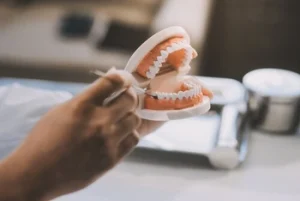 Maintenance and Reviews Extend Usable Life
Regular reviews allow small issues to be addressed before they affect comfort. Minor adjustments can help maintain fit as your mouth changes. Cleaning routines and handling habits also influence how long the denture lasts. Damage often happens outside the mouth rather than during wear. Ongoing attention supports continued use without forcing replacement too early. Longevity is usually a shared result of design and care.
Book Time With Us to Explore Your Next Step
If questions about fit, comfort, or long-term use are still on your mind, a conversation can help bring clarity. We take the time to look at how your teeth, bite, and daily habits work together before recommending any dental treatment. That way, options are explained in context rather than as a one-size approach. Visiting us allows you to ask practical questions and understand what may suit your mouth now and in the future. To arrange a visit or speak with our team, please call us today.
- Greensborough: 03 4828 7427
- South Yarra: 03 4828 7428
References
https://www.sciencedirect.com/topics/medicine-and-dentistry/removable-partial-denture
https://www.webmd.com/oral-health/dental-health-dentures